From Rust to Riches: 2 Auto Parts Names Built for 2026
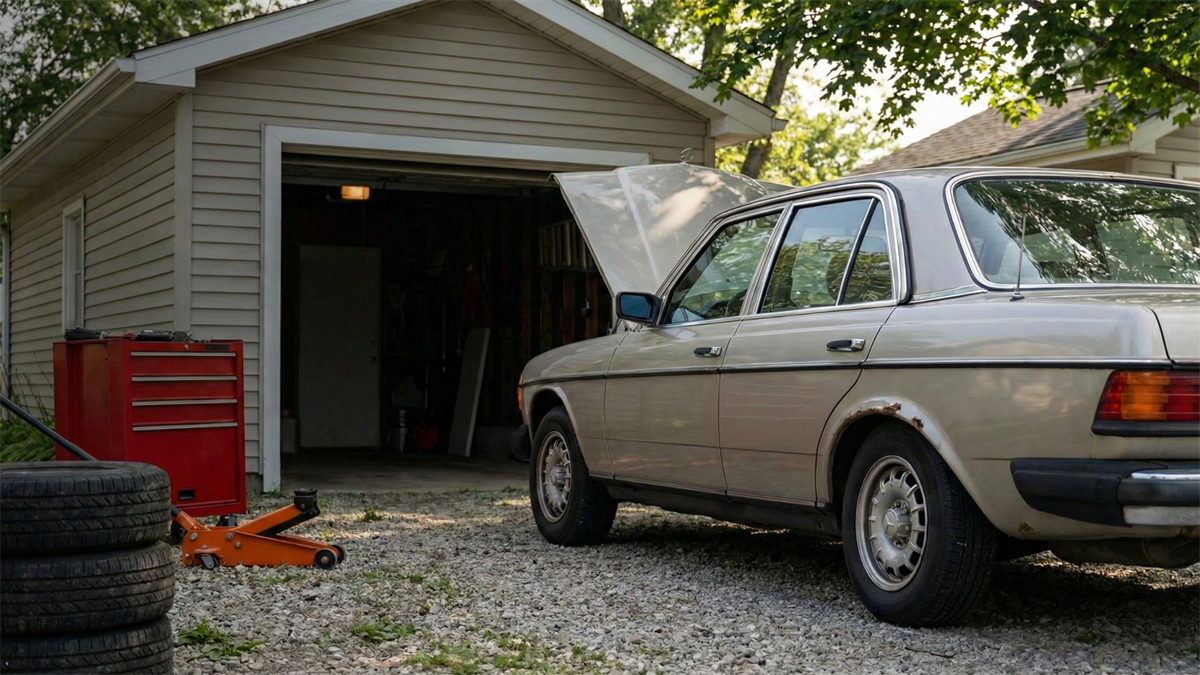
The economic landscape as we close out 2025 presents a harsh reality for the American consumer, but golden opportunities could lie ahead for investors. While inflation has cooled in some areas, the cost of vehicle ownership remains near historic highs. Interest rates have stubbornly refused to return to the easy-money levels of the past decade, and the average monthly payment on a new vehicle has skyrocketed.
For the vast majority of households, trading in a vehicle is no longer a casual decision; it is a financial nonstarter. This environment has punished auto manufacturers, who are seeing inventory pile up on dealer lots. However, it has created a massive windfall for the aftermarket auto parts industry.
For investors, this sector has undergone a transformation. It is no longer just a retail sector play; it behaves more like a consumer utility. When a vehicle is the primary means of getting to work, repairs are not optional. Drivers essentially have no choice but to fix their existing cars. This dynamic has decoupled the fortunes of companies like O’Reilly Automotive (NASDAQ: ORLY) and AutoZone (NYSE: AZO) from the broader economic cycle. The primary catalyst driving this sector is simple but powerful: the vehicle fleet in the United States is rapidly aging.
12.8 Years: The Metric That Matters
To understand why these stocks are poised for growth in 2026, you must look at the "aftermarket." This industry term refers to vehicles aged between 6 and 14 years. In this specific age bracket, two things happen simultaneously:
- Original manufacturer warranties expire, meaning the owner pays 100% of repair costs.
- Major wear-and-tear components begin to fail naturally.
We are talking about more than oil changes—high-ticket items like alternators, water pumps, compressors, and suspension systems.
The Deferral Wall
Throughout 2024, inflation forced many lower-income consumers to defer maintenance. They skipped non-critical repairs, such as fixing a noisy muffler or replacing worn wiper blades, to save money. However, there is a physical limit to deferral. Eventually, a deferred issue becomes a critical failure. A car with a dead battery or a broken brake line cannot be driven safely.
In 2026, the volume of cars entering this high-repair age bracket is growing. The average age of vehicles on U.S. roads has hit a record high of over 12.8 years. This ensures a steady baseline of demand.
Even if the broader economy slows, the physical necessity of keeping these older cars running provides a revenue floor for industry leaders. The math is simple for the consumer: a one-time $800 repair bill is painful, but it is far cheaper than signing up for a $700 monthly car payment for the next six years.
Professional Power and Global Growth
While macro trends favor the sector as a whole, not all retailers are created equal. Two companies have separated themselves from the pack through superior execution, though they achieve success in different ways.
O’Reilly Automotive (ORLY): The Professional’s Choice
O'Reilly has secured its position as the dominant player in the Do-It-For-Me (DIFM) market. As modern vehicles become computers on wheels, they are becoming increasingly difficult for the average person to fix in their driveway.
- The Strategy: O'Reilly's distribution network is designed for extreme speed, often delivering parts to local shops in under 45 minutes.
- The Moat: Mechanics often prioritize speed over price. O'Reilly's speed allows it to command pricing and take market share from slower names.
AutoZone (AZO): The Global Growth Engine
While O'Reilly dominates commercially, AutoZone remains the king of the DIY segment. Its true growth engine for 2026 lies outside the United States.
- International Boom: AutoZone is seeing double-digit growth in markets like Mexico and Brazil, where vehicle dynamics mirror U.S. trends, with even older fleets.
- Mega Hubs: Domestically, AutoZone's "Mega Hub" strategy of deploying massive inventory centers to feed local stores helps it keep hard-to-find parts in stock.
Engineering Growth Without Dividends
O'Reilly and AutoZone do not pay dividends, instead relying on aggressive share repurchases for superior returns. This strategy reduces the total number of shares, mechanically increasing earnings per share (EPS). By using massive free cash flow to buy back and retire stock, a modest revenue increase (3-4%) can still drive double-digit EPS growth. This puts a floor under the stock price and signals management's confidence in their own stock.
Advance Auto Parts: A Cautionary Tale
Not every player in the sector is expected to thrive in 2026. Advance Auto Parts (NYSE: AAP) stands in stark contrast to the steady execution of its peers. While O'Reilly and AutoZone operate as well-oiled machines, Advance is currently undergoing a complex restructuring effort.
Following the sale of its Worldpac subsidiary and the closure of hundreds of underperforming stores, Advance is shrinking to survive. While some value investors might be tempted by the seemingly cheap stock price and turnaround potential, they should note that AAP carries a higher risk.
The firm is trying to fix supply chain issues that O'Reilly and AutoZone solved a decade ago. For those seeking the defensive safety that defines this sector, the disparity in operational efficiency makes AAP a gamble rather than an investment.
Why Electric Cars Won't Kill the Mechanic
A common bear case against this sector is the rise of Electric Vehicles (EVs). The argument suggests that because EVs have fewer moving parts, no spark plugs, oil filters, or timing belts, the auto parts business is doomed. This view is largely exaggerated for two reasons:
- Parts are Parts: EVs still require tires, advanced suspension parts, windshield wipers, and 12-volt batteries. In fact, due to the heavy weight of EVs, suspension and tire wear often occur more quickly than in gas cars.
- The Timeline: The vast majority of the car parc (vehicles on the road) remains combustion-engine based. It would take decades, not years, for EVs to dominate the aftermarket.
Furthermore, investors must consider the tariff environment of 2025. Rising import costs have hit the retail sector, but auto parts retailers possess inelastic demand. When a car won't start, the consumer will pay the higher price for a replacement battery because they have to. These companies have a proven history of passing cost increases on to consumers, protecting their profit margins.
Why “Boring” May Be a Feature in 2026
The fundamental drivers for the auto parts sector are stronger than ever as we enter 2026. A fleet of aging vehicles, high interest rates keeping new cars off driveways, and a consumer base that must keep driving to earn a living create a predictable revenue path.
While the technology sector may offer flashier headlines, the unglamorous business of selling brake pads and batteries offers something arguably more valuable: consistency. For the conservative investor looking to protect their portfolio from economic uncertainty, O'Reilly Automotive and AutoZone provide a compelling blend of recession resistance and financial discipline as we transition into 2026. They are the tortoise in the race, slow, steady, and tough to beat.
Where Should You Invest $1,000 Right Now?
Before you make your next trade, you'll want to hear this.
MarketBeat keeps track of Wall Street's top-rated and best performing research analysts and the stocks they recommend to their clients on a daily basis.
Our team has identified the five stocks that top analysts are quietly whispering to their clients to buy now before the broader market catches on... and none of the big name stocks were on the list.
They believe these five stocks are the five best companies for investors to buy now...
The article "From Rust to Riches: 2 Auto Parts Names Built for 2026" first appeared on MarketBeat.
Mentioned In This Article
Latest News
| Oct-02 | |
| Oct-01 | |
| Sep-29 | |
| Sep-28 | |
| Sep-25 | |
| Sep-25 | |
| Sep-23 | |
| Sep-23 | |
| Sep-22 | |
| Sep-22 | |
| Sep-22 | |
| Sep-22 | |
| Sep-22 | |
| Sep-22 | |
| Sep-22 |
