DaVita Inc. (DVA): A Bull Case Theory
We came across a bullish thesis on DaVita Inc. on Pedro's Substack by Pedro Ortiz. In this article, we will summarize the bulls’ thesis on DVA. DaVita Inc.'s share was trading at $107.24 as of January 29th. DVA’s trailing and forward P/E were 10.93 and 8.40, respectively according to Yahoo Finance.
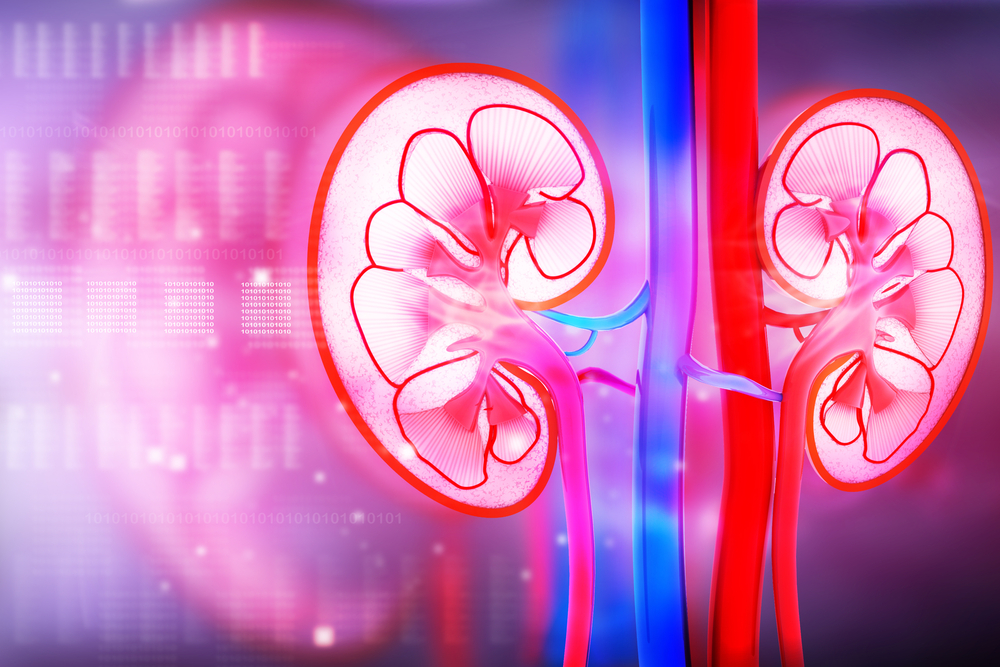
DaVita Inc. provides kidney dialysis services for patients suffering from chronic kidney failure in the United States. DVA operates in a highly regulated, low-margin healthcare sector where its financial and operational resilience is continuously tested. The company’s vulnerability lies in the tight correlation between unit costs and reimbursement rates, compounded by high leverage.
Key variables include Medicare-dictated rates and commercial payer negotiations, as well as labor and supply costs. Small fluctuations in these factors can significantly impact operating margins, typically 10–12%, while a credit downgrade could sharply increase debt service costs, threatening free cash flow and share buybacks.
Despite this fragility, DaVita demonstrates antifragility under chronic stress. Regulatory pressure acts as a Darwinian filter, eliminating smaller competitors and enforcing operational efficiency. The high debt load imposes cash flow discipline, discouraging wasteful spending and reinforcing management focus on core competencies. Yet, excessive shocks—massive regulatory cuts, labor crises, or interest rate spikes—can exceed the company’s absorption capacity, exposing the limits of hormesis.
DaVita’s Cantillon advantage arises from speed in capturing capital flows. While largely a price taker in Medicare, the company negotiates premium rates with commercial insurers, generating disproportionate free cash flow. This liquidity enables debt servicing and share repurchases, reinforcing its duopoly position alongside Fresenius. Patients exhibit captive loyalty due to loss aversion and high switching costs, while nephrologists prioritize administrative simplicity, creating strong psychological and operational barriers to competition.
The market structure functions as an implicit cooperative duopoly. Price competition is minimized to protect margins, with strategic defense focused on external threats such as home dialysis. Internal risks—staff turnover, quality deterioration, regulatory violations—combined with external shocks—technology disruption, subsidy collapse, or leverage strain—represent the primary pathways to value erosion. In sum, DaVita’s moat is defined by operational scale, psychological lock-in, and disciplined financial engineering, yet the company remains highly exposed to concentrated shocks, making strategic vigilance essential for long-term sustainability.
Previously, we covered a bullish thesis on DaVita Inc. (DVA) by Isaac459 in February 2025, which highlighted improving mortality rates and potential for sustained organic volume growth. The company's stock price has depreciated by approximately 37.65% since our coverage. The thesis still stands as acquisitions and demographic trends may support long-term growth. Pedro Ortiz shares a similar view but emphasizes operational fragility and leverage risks.
DaVita Inc. is not on our list of the 30 Most Popular Stocks Among Hedge Funds. As per our database, 43 hedge fund portfolios held DVA at the end of the second quarter which was 43 in the previous quarter. While we acknowledge the potential of DVA as an investment, we believe certain AI stocks offer greater upside potential and carry less downside risk. If you're looking for an extremely undervalued AI stock that also stands to benefit significantly from Trump-era tariffs and the onshoring trend, see our free report on the best short-term AI stock.
READ NEXT: 30 Stocks That Should Double in 3 Years and 11 Hidden AI Stocks to Buy NOW
Disclosure: None.
Mentioned In This Article
Latest News
| Oct-08 | |
| Sep-24 | |
| Sep-17 | |
| Sep-14 | |
| Sep-08 | |
| Sep-02 | |
| Aug-26 | |
| Aug-25 | |
| Aug-25 | |
| Aug-14 | |
| Aug-12 | |
| Aug-07 | |
| Aug-05 | |
| Aug-05 | |
| Aug-05 |
