Vertical's Valo Launch: A Commercial Leap Disguised as a Dip
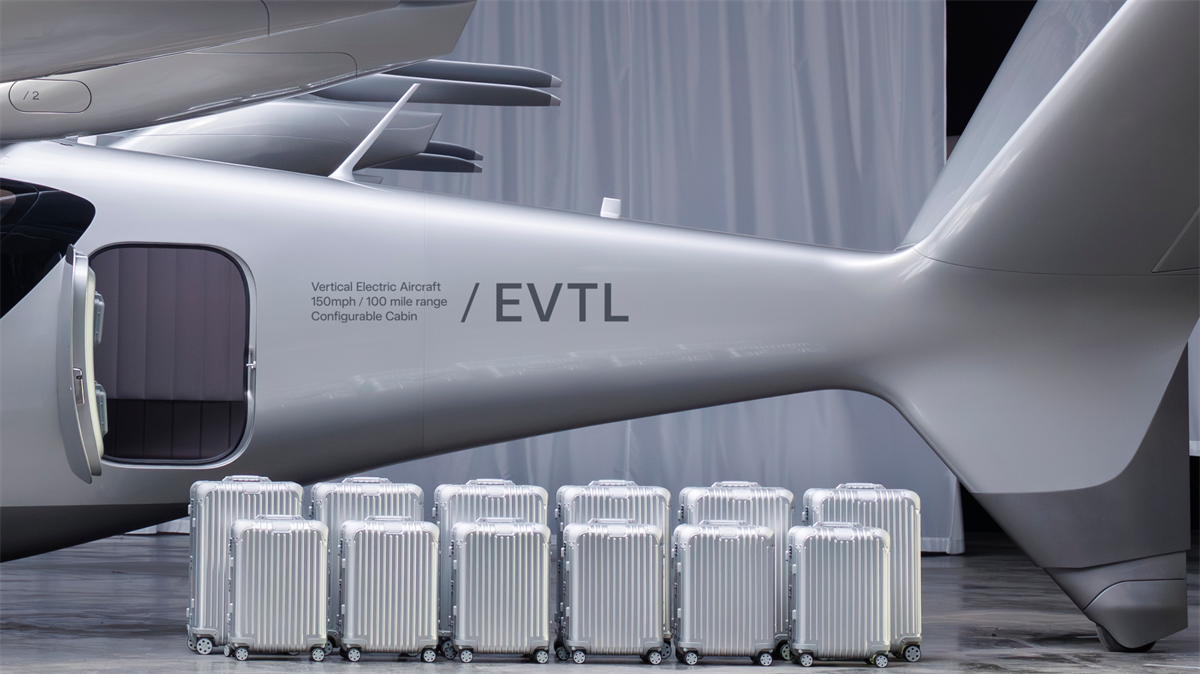
On Dec. 10, 2025, Vertical Aerospace (NYSE: EVTL) executed its highly anticipated global launch event in London. However, the market’s reaction was immediate and sharp. The stock price tumbled approximately 16% intraday, a move that caught many observers by surprise, given the generally positive nature of the company's presentations. To understand this volatility, investors must look beyond the headlines and understand the mechanics of market expectations versus fundamental progress.
For weeks, traders had speculated that the Dec. 10 event would serve as a double feature: the unveiling of the new aircraft design and the official confirmation that the critical piloted transition flight test campaign was complete. While the company delivered a sleek, production-intent aircraft, it stopped short of declaring mission accomplished on the flight test, instead stating that the program is close to completion. In the binary world of short-term trading, this nuance triggered a classic sell-the-news event. However, for long-term investors, this volatility obscures a far more significant development: the graduation of Vertical Aerospace from a prototype developer to an aerospace sector manufacturer with a concrete path to revenue.
From Concept to Certification: The Evolution of Valo
The headline news of the event was the official rebranding of the company's flagship aircraft. The VX4 prototype has evolved into Valo, a name that signals the shift to a finalized, production-intent design. This is more than a cosmetic marketing change; it freezes the design specifications to be submitted to regulators for certification. By locking in the design, Vertical mitigates the risk of scope creep, a common issue in aerospace engineering where constant tinkering delays production.
The Valo aircraft introduces several critical engineering enhancements derived from years of flight testing. The airframe is more aerodynamic, featuring a redesigned V-tail and updated wing architecture to maximize efficiency. Perhaps most importantly for the business model, the new design incorporates an under-floor battery system. This change is strategic, as it supports the company’s long-term plan for rapid turnaround times and potential battery swaps, which are essential for high-frequency commercial operations where aircraft downtime equates to lost revenue.
The specifications for Valo are targeted to meet the rigorous demands of commercial operators:
- Range and Speed: Designed to fly up to 100 miles (approximately 87 nautical miles) at speeds reaching 150 mph (130 knots).
- Acoustic Profile: Engineered for urban acceptance with a near-silent profile, targeting noise levels below 50 dBA in cruise flight.
- Safety Standard: Engineered to meet the 10-9 safety standard, requiring a probability of catastrophic failure of less than one in a billion flight hours.
This commitment to the gold standard of safety, which is also the same benchmark used for large commercial airliners, is Vertical's primary competitive moat. By aiming higher than what is required for smaller aircraft, Vertical is positioning Valo for seamless validation by global regulators, potentially opening international markets faster than competitors certifying to lower standards.
The program's industrial maturity was further validated by the announcement of a new long-term partnership with Syensqo (OTCMKTS: SHBBF). As a supplier of advanced composite materials, Syensqo joins an existing roster of Tier 1 partners, including Honeywell (NASDAQ: HON) and Aciturri. This supply chain readiness is backed by significant economic projections. An independent report by Frontier Economics forecasts that Vertical Aerospace will contribute approximately £3 billion ($4 billion) to the UK economy annually by 2035, underscoring the project's strategic national importance.
The Killer App: Real Routes and Revenue Potential
An advanced aircraft is only a theoretical asset until it has a viable network in which to operate. The Dec. 10 event provided the first concrete details on where and how Valo will generate revenue, shifting the conversation from "if" to "where". Vertical announced ambitious plans to launch the UK's first electric air taxi network by the first quarter of 2029, in partnership with infrastructure provider Skyports and helicopter operator Bristow (NYSE: VTOL).
In addition to the UK network, Vertical confirmed a new commercial win with Héli Air Monaco. The operator has signed a Memorandum of Understanding (MoU) to deploy Valo on the French Riviera, connecting Nice Airport to high-demand destinations like Monaco, Cannes, and Saint-Tropez. This region is ideal for early eVTOL adoption due to its concentration of wealth and the geographical constraints that make ground transport difficult. Securing these specific, high-value corridors moves the company beyond general order-book numbers and into the realities of route planning and revenue modeling.
The Coiled Spring: Valuation and the Missing Catalyst
The market’s adverse reaction to the event has effectively reset Vertical Aerospace’s stock price, making the lack of a flight test completion announcement now priced in. However, the good news, the actual completion of that test, remains an imminent catalyst. Management confirmed during the event that they are close to completing the full piloted transition flight. This technical milestone, in which the aircraft transitions from vertical lift to wing-borne flight, is the final key de-risking event for 2025. When this news eventually drops, likely in the coming weeks, it could serve as a powerful positive trigger for the stock, potentially reversing the recent losses.
The investment case is further supported by significant internal conviction. In November, members of the Board and senior leadership increased their shareholdings by approximately 50%. This coordinated insider buying is a strong signal that those with the most intimate knowledge of the company's progress see long-term value that the public market is currently ignoring.
There is now a stark disconnect between the company’s market valuation and analyst expectations. Following the sell-off, Vertical’s market capitalization sits at approximately $602 million. In contrast, the consensus 12-month price target from analysts covering the stock is $11.40. This gap suggests that Wall Street sees potential for the stock to nearly double from current levels as the company executes its certification plan.
By launching Valo and securing tangible commercial routes, Vertical Aerospace has solidified its commercial future. The market’s short-term disappointment over the timing of a test flight has created a disconnect between price and fundamental progress, offering a potentially attractive risk-reward profile for investors willing to look past the volatility.
Where Should You Invest $1,000 Right Now?
Before you make your next trade, you'll want to hear this.
MarketBeat keeps track of Wall Street's top-rated and best performing research analysts and the stocks they recommend to their clients on a daily basis.
Our team has identified the five stocks that top analysts are quietly whispering to their clients to buy now before the broader market catches on... and none of the big name stocks were on the list.
They believe these five stocks are the five best companies for investors to buy now...
The article "Vertical’s Valo Launch: A Commercial Leap Disguised as a Dip" first appeared on MarketBeat.
Mentioned In This Article
Latest News
| Oct-09 | |
| Oct-08 | |
| Oct-08 | |
| Oct-07 | |
| Oct-05 | |
| Oct-05 | |
| Oct-02 | |
| Oct-02 | |
| Oct-02 | |
| Oct-01 | |
| Oct-01 | |
| Sep-30 | |
| Sep-29 | |
| Sep-28 | |
| Sep-25 |
