3 Stocks Delivered +10% Buyback Yields in 2025-What's Next in 2026?
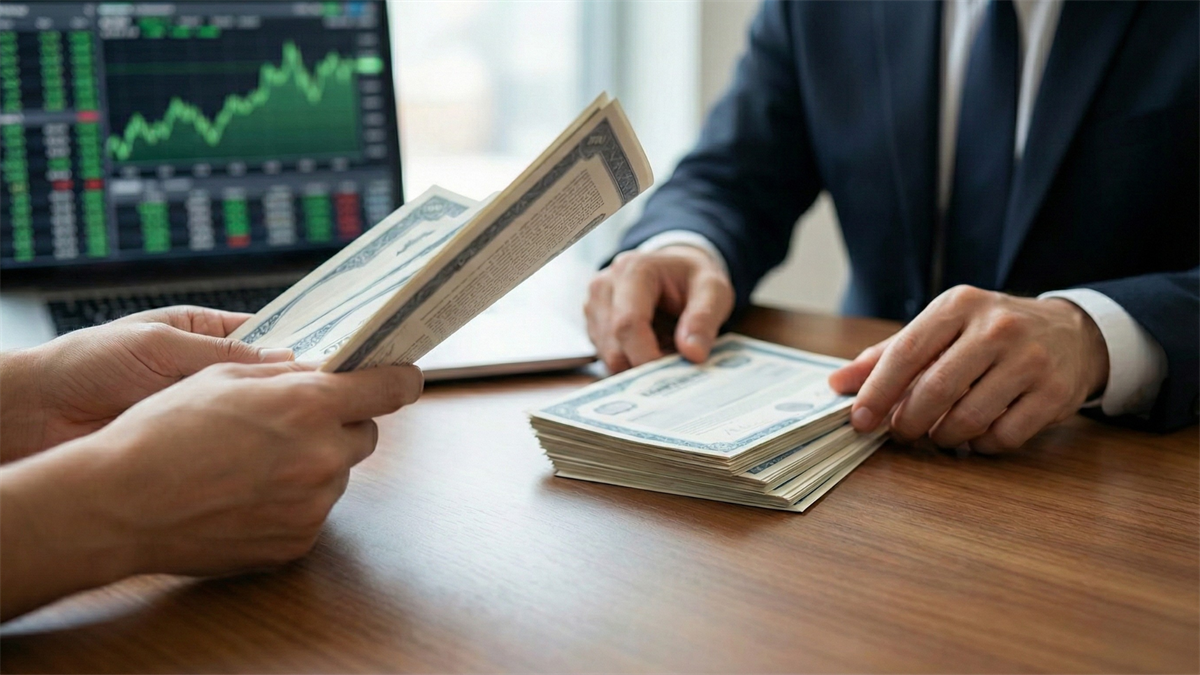
Share buybacks are one of the key ways that companies return capital to shareholders. Buybacks do this by reducing a company’s outstanding share count, allowing each remaining share to account for a larger percentage of a company’s value. All else equal, this puts upward pressure on share prices.
They are also often a signal of management confidence. When a company buys back shares, it is essentially investing in itself. Thus, buybacks can indicate that a company believes investors are undervaluing it.
Buyback yield is an important metric for understanding the magnitude of a company’s repurchases. It shows how much a company spent on buybacks over the last 12 months (LTM), relative to its market capitalization. Buyback yield is calculated like this:
(LTM Buybacks – LTM Share Issuance) / Market Capitalization
This metric allows investors to compare buyback spending between companies of different sizes. Below, we’ll detail three S&P 500 stocks that ended 2025 with LTM buyback yields above 10%, among the highest in the index. This analysis will include repurchases made in Q4 2024, as most companies have yet to report Q4 2025.
GM Makes Smart Use of Buybacks as Shares Gain +50%
First up is U.S. automobile stock General Motors (NYSE: GM). The company’s LTM buyback spending was $8.2 billion, and it issued no shares. Ending 2025 with a market capitalization of $76.2 billion, the stock’s LTM buyback yield comes in at 10.8%.
Notably, $4.7 billion worth of the firm’s buyback spending came in Q4 2024. Overall, the stock rose nearly 53% in 2025. Thus, GM purchased a huge number of shares at a significant discount.
The company’s Oct. 21 earnings report greatly impressed investors as GM significantly raised its guidance for the full year. The stock gained 15% that day and has climbed another 22% since.
The consensus price target on GM of $75.76 implies 6% downside in the stock versus the Jan. 2 close. However, targets updated in December average out to $85.50, suggesting that shares could rise 6%.
Buybacks Boost LUV Even as Market Cap Growth Stagnates
Southwest Airlines (NYSE: LUV) was another buyback yield standout. The company’s LTM buyback spending was $2.75 billion and it issued only $60 million worth of shares. Ending 2025 with a market capitalization of $21.4 billion, the stock’s LTM buyback yield stands at 12.6%.
Southwest’s buyback spending peaked in Q2 2025, when it spent $1.5 billion.
The company appeared to act opportunistically in April, as most stocks sold off amid concerns about Liberation Day tariffs, including LUV, which was trading around $24 in late April. Since then, the stock is up nearly 75%.
Notably, Southwest’s market capitalization rose just 6% in 2025. However, the stock rose 23%.
This highlights how buybacks can add value on a per-share basis by reducing a company’s share count.
While the company’s total value changed little, buybacks concentrated that value over a smaller number of shares, helping each one appreciate.
The consensus price target on Southwest of $39.44 implies 4% downside versus the Jan. 2 close. However, the stock received numerous upgrades in December. December price targets average to $42.73, implying 3% upside.
TPR Nearly Doubles in 2025, Spends Almost $3B on Buybacks
Last up is consumer discretionary stock Tapestry (NYSE: TPR). Tapestry owns the handbag brand Coach, which has been driving strong growth for the firm. Overall, Tapestry had an extremely impressive 2025, with shares rising 96%.
Tapestry also bought back shares hand over fist during the last 12 months. In total, the company spent $2.8 billion on buybacks, while issuing around $184 million worth of shares.
Ending 2025 with a market capitalization of $26.1 billion, the stock’s LTM buyback yield was almost exactly 10%.
Tapestry repurchased $2 billion worth of shares in Q4 2024, investing in itself at a favorable time.
The consensus price target on Tapestry of $122 implies 6% downside versus the Jan. 2 close.
However, targets updated after the company’s latest earnings report on Nov. 6 paint a different picture. They average nearly $137, suggesting 6% upside.
Buybacks: An Important Tool if Used Appropriately
Southwest is a good illustration of how buybacks can boost per-share returns. But markets don’t automatically reward repurchases. If investors believe buybacks are crowding out critical investment—like fleet upgrades, technology, or long-term product development—sentiment can turn quickly. Buybacks funded with excessive debt can raise the stakes even more.
The bottom line: buyback yield is a powerful starting point, but it works best when paired with business quality, balance-sheet discipline, and credible reinvestment in the core franchise.
Where Should You Invest $1,000 Right Now?
Before you make your next trade, you'll want to hear this.
MarketBeat keeps track of Wall Street's top-rated and best performing research analysts and the stocks they recommend to their clients on a daily basis.
Our team has identified the five stocks that top analysts are quietly whispering to their clients to buy now before the broader market catches on... and none of the big name stocks were on the list.
They believe these five stocks are the five best companies for investors to buy now...
The article "3 Stocks Delivered +10% Buyback Yields in 2025—What's Next in 2026?" first appeared on MarketBeat.
Mentioned In This Article
Latest News
| 5 hours | |
| 8 hours | |
| 11 hours | |
| Oct-13 | |
| Oct-13 | |
| Oct-13 | |
| Oct-12 | |
| Oct-12 | |
| Oct-11 | |
| Oct-10 | |
| Oct-10 | |
| Oct-09 | |
| Oct-09 | |
| Oct-08 | |
| Oct-08 |
