|
|
|

|
|||||
|
|
|
We came across a bullish thesis on PepsiCo, Inc. on Grillo Insights’s Substack by Eric García. In this article, we will summarize the bulls’ thesis on PEP. PepsiCo, Inc.'s share was trading at $148.69 as of January 29th. PEP’s trailing and forward P/E were 28.27 and 17.36, respectively according to Yahoo Finance.
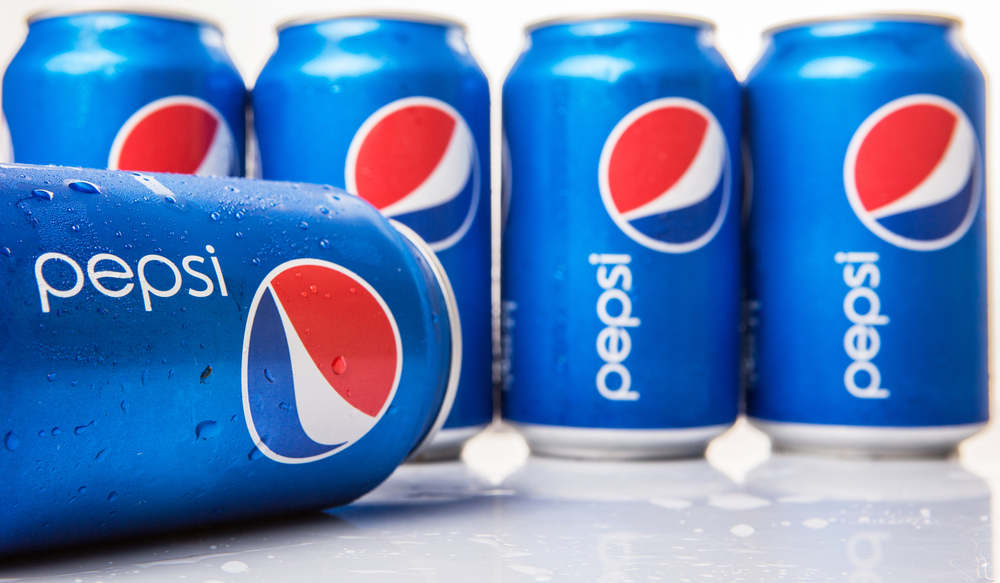
PepsiCo, Inc. engages in the manufacture, marketing, distribution, and sale of various beverages and convenient foods worldwide. PEP’s recent performance presents a clear paradox. On the surface, the company delivered a solid third quarter of 2025, beating both revenue and EPS expectations, supported by effective net pricing that exceeded forecasts. However, beneath these headline numbers lies a more concerning reality: organic revenue growth materially missed expectations, volumes declined more sharply than anticipated, and operating profit continued to compress, falling meaningfully both in the quarter and year-to-date. PepsiCo is increasingly relying on price increases to offset declining volumes, a strategy that has natural limits as U.S. consumers show rising price sensitivity.
Margin pressure remains acute, driven by higher commodity costs, tariff impacts, operating deleverage from lower volumes, and impairment charges tied to underperforming brands. While productivity initiatives, pricing, and reduced marketing spend have provided partial relief, they have not been sufficient to arrest the decline in profitability. Regionally, international markets such as EMEA and Latin America continue to deliver growth, helping offset weakness in North America, particularly within PepsiCo Foods North America, which remains a core drag on results.
The investment narrative has shifted meaningfully with Elliott Management’s $4 billion stake, bringing renewed focus to PepsiCo’s internal bottling model, which many view as a structural constraint on margins compared to peers like Coca-Cola. Management has acknowledged undervaluation and signaled openness to change, but execution will be critical.
CEO Ramon Laguarta’s aggressive productivity agenda and the arrival of Steve Schmitt as CFO mark an inflection point, with 2025 framed as a transition year rather than a growth year. At current valuations, PepsiCo is priced as a defensive, income-oriented stock, offering downside protection through cash flows and dividends, while upside hinges on volume stabilization, productivity delivery, and potential structural reform catalyzed by activist pressure.
Previously, we covered a bullish thesis on PepsiCo, Inc. by Kroker Equity Research in October 2024, which highlighted the company’s strong brand portfolio, pricing power, dividend reliability, and stable cash flows. PEP’s stock price has depreciated by approximately 14.94% since our coverage. This is because the thesis didn’t fully play out amid volume declines and margin pressure. However, the thesis still stands as PepsiCo remains a resilient dividend payer. Eric García shares a similar but emphasizes structural challenges, activist involvement, and execution risk.
PepsiCo, Inc. is not on our list of the 30 Most Popular Stocks Among Hedge Funds. As per our database, 68 hedge fund portfolios held PEP at the end of the third quarter which was 68 in the previous quarter. While we acknowledge the risk and potential of PEP as an investment, our conviction lies in the belief that some AI stocks hold greater promise for delivering higher returns and doing so within a shorter time frame. If you are looking for an AI stock that is more promising than PEP and that has 10,000% upside potential, check out our report about this cheapest AI stock.
READ NEXT: 30 Stocks That Should Double in 3 Years and 11 Hidden AI Stocks to Buy NOW
Disclosure: None.
| Apr-02 | |
| Apr-01 | |
| Mar-31 | |
| Mar-29 |
Food Mega-Mergers Hardly Ever Work. Could McCormick-Unilever Be Different?
PEP
The Wall Street Journal
|
| Mar-25 | |
| Mar-25 | |
| Mar-24 | |
| Mar-23 | |
| Mar-23 | |
| Mar-20 | |
| Mar-20 | |
| Mar-20 | |
| Mar-20 | |
| Mar-19 | |
| Mar-19 |

Join thousands of traders who make more informed decisions with our premium features. Real-time quotes, advanced visualizations, alerts, and much more.
Learn more about Finviz Elite