|
|
|

|
|||||
|
|
|
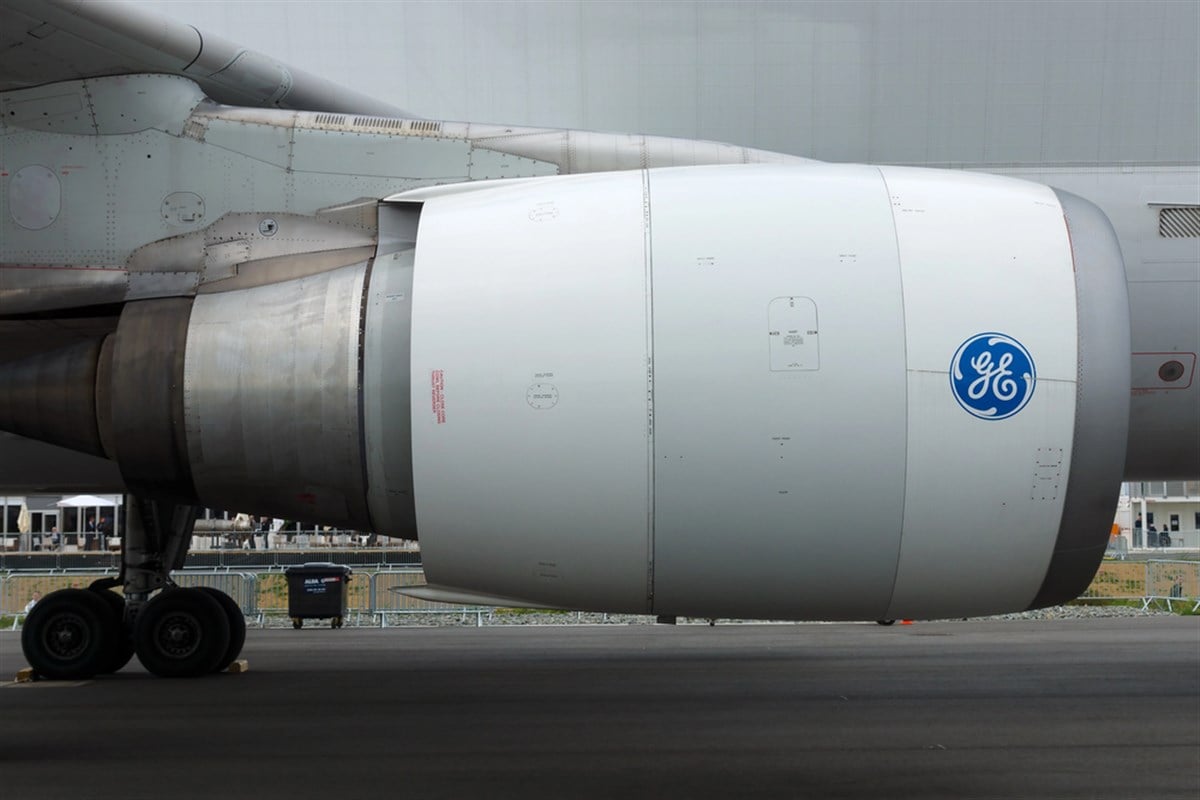
The headlines often focus on the impressive technology of its jet engines, the powerful hardware bolted to the wings of the latest aircraft from Boeing and Airbus.
But this picture presents a puzzle for investors trying to understand the company’s real value. The initial, multi-million-dollar sale of a new jet engine is not the primary source of GE's long-term profit.
This reality raises a critical question: Where does GE's true financial power come from if the value is not simply in building and selling new engines?
The answer lies in a carefully crafted business model that prioritizes the long game over the initial sale.
The first step in GE’s strategy is getting its engines onto an aircraft wing. This is the "razor" in the classic "razor and blades" business model. When GE sells a LEAP engine for a Boeing 737 MAX or an Airbus A320neo, its main objective is not immediate profit. It is to win a highly coveted slot on that aircraft for its entire operational life, which can span 20 to 30 years.
To secure these placements, GE engages in fierce competition from sector rivals, such as RTX's (NYSE: RTX) Pratt & Whitney. This intense environment often leads to aggressive pricing and very thin margins on the initial hardware. The real prize is not the one-time transaction, but the expansion of the company's global installed base of approximately 45,000 commercial engines. This fleet is so enormous that it powers three out of every four commercial flights.
This model, however, is not without risk. GE’s ability to place new "razors" is directly linked to the production health and stability of Boeing and Airbus. Any factory slowdowns or regulatory production caps, such as the one currently affecting the 737 MAX line, can create a bottleneck. These external factors can delay GE's ability to grow its fleet, underscoring that the strategy is a long-term investment that accepts lower upfront returns for a much larger, more reliable payoff down the road.
Once an engine is in service, the lucrative "blades" part of the model begins, generating a steady stream of high-margin revenue for decades to come. This aftermarket business is the core of GE’s profitability and is built on several key components that lock in customers.
The financial power of this model is undeniable. In the first quarter of 2025, GE’s Commercial Engines & Services segment posted an operating profit margin of 27.5%, a figure driven almost entirely by this aftermarket strength. Anchoring the entire business is a $140 billion commercial services backlog, representing a massive pipeline of contractually guaranteed future work.
Understanding this business model is essential to understanding GE’s stock valuation. The company’s premium price-to-earnings ratio (P/E) of around 37 is not typical for a traditional industrial manufacturer; it is characteristic of a company with a durable, high-margin services business that provides financial visibility for years into the future. GE Aerospace’s analyst community and the market are pricing in the reliability of this aftermarket revenue.
This predictability is a direct pipeline to strong and consistent free cash flow, one of the most important metrics for investors. This cash generation is what funds GE's ability to invest in next-generation technology, such as its RISE sustainable engine program, while also providing tangible returns to shareholders.
The company's plan to deploy over $8 billion in 2025 through dividends and share buybacks is a direct result of the cash-generating power of this services model.
For investors, the key is to look past the headline-grabbing orders for new engines. Those are merely the ticket to the main event. The true health of GE Aerospace is best measured by monitoring the growth of its services backlog, the rate of global flight departures, which fuels demand, and management's ability to navigate the supply chain to deliver on its promises.
This aftermarket fortress is the real engine of GE's financial strength and its mechanism for compounding shareholder value.
Before you make your next trade, you'll want to hear this.
MarketBeat keeps track of Wall Street's top-rated and best performing research analysts and the stocks they recommend to their clients on a daily basis.
Our team has identified the five stocks that top analysts are quietly whispering to their clients to buy now before the broader market catches on... and none of the big name stocks were on the list.
They believe these five stocks are the five best companies for investors to buy now...
The article "GE Aerospace Turns Engines Into Long-Term Profits" first appeared on MarketBeat.
| 7 hours | |
| 10 hours | |
| 10 hours | |
| Feb-13 | |
| Feb-13 | |
| Feb-13 | |
| Feb-13 | |
| Feb-13 | |
| Feb-13 | |
| Feb-12 | |
| Feb-12 | |
| Feb-12 | |
| Feb-12 | |
| Feb-12 | |
| Feb-11 |
Pentagon To Punish Habitually Late Contractors. These Defense Stocks Fall
RTX
Investor's Business Daily
|

Join thousands of traders who make more informed decisions with our premium features. Real-time quotes, advanced visualizations, backtesting, and much more.
Learn more about FINVIZ*Elite