|
|
|

|
|||||
|
|
|
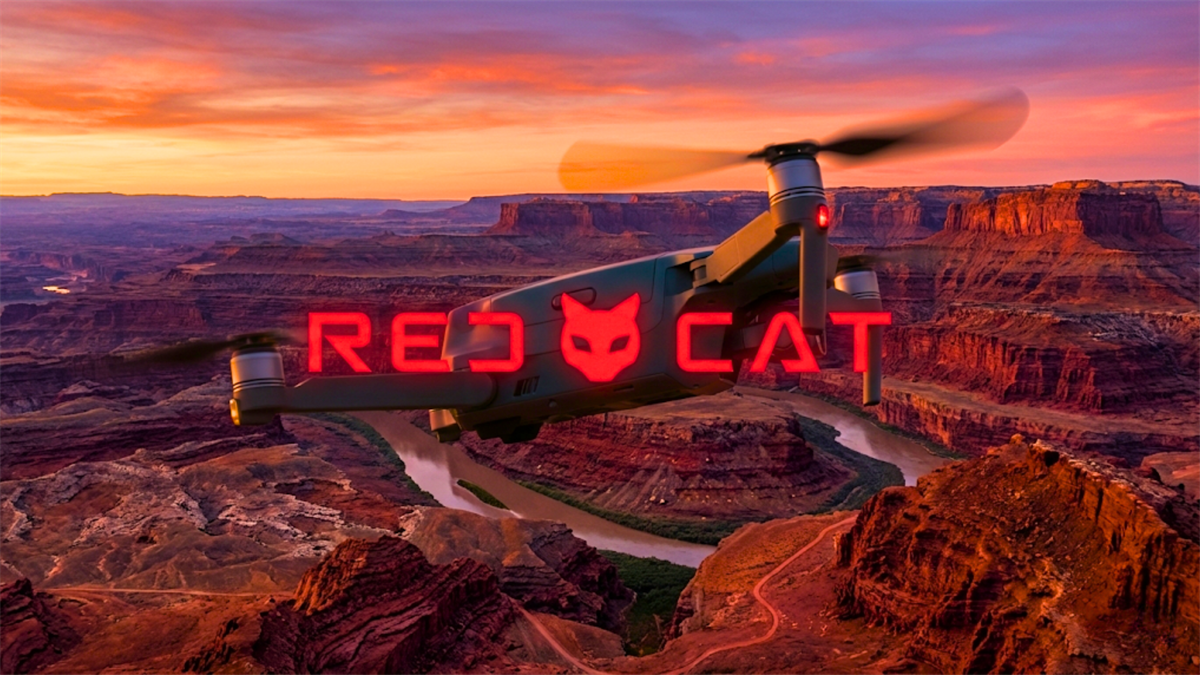
The stock market has been obsessed with artificial intelligence (AI) software for about a year now. Investors have chased algorithms, chatbots, and large language models, often overlooking the physical hardware required to execute modern technology in the real world. However, a massive shift is occurring in the defense sector. The demand for tangible, autonomous hardware is beginning to outpace the hype.
On Jan. 13, 2026, Red Cat Holdings (NASDAQ: RCAT) released preliminary financial results that signaled a dramatic change in its operational status. The company expects revenue for the fourth quarter ended Dec. 31, 2025, to land between $24 million and $26.5 million.
To put that number in perspective, Red Cat generated approximately $1.3 million in the same quarter of the previous year. This represents a year-over-year increase of roughly 1,842%.
Wall Street took immediate notice. Trading volume on the day of the announcement spiked to over 33 million shares, significantly higher than the daily average of 9.34 million. This volume surge suggests that institutional and retail investors are waking up to a fundamental reality: Red Cat has transitioned from a company developing concepts to a manufacturer delivering mass volume.
The explosive revenue growth is not a result of accounting magic or one-time asset sales. It is the direct result of the company securing and executing a major government contract. The primary driver behind these numbers is the U.S. Army’s Short Range Reconnaissance (SRR) Tranche 2 program.
After a rigorous selection process, the Army selected Red Cat’s Black Widow drone as the official system for this program and awarded it a contract in 2024. The Black Widow is a rucksack-portable drone designed for the individual soldier. It comes fully integrated with thermal sensing capabilities provided by Teledyne FLIR and advanced artificial intelligence. This allows the drone to identify threats on the battlefield with high precision, even at night.
The financial impact of this win began to materialize in late 2025 as the company entered a critical phase known as Limited Rate Production (LRIP).
This transition is vital for investors to understand. Many small defense companies get stuck in the research phase, burning cash without ever reaching mass production. Red Cat has successfully crossed that bridge, and the Q4 revenue figures confirm that the Army is accepting deliveries at scale.
A common risk with small-cap defense stocks is the contract cliff, the fear that revenue will drop to zero once a single major contract is fulfilled. To determine if a company is a long-term hold, investors look for signs of diversification and physical expansion. Red Cat’s recent operational moves suggest they are preparing for sustained, multi-year demand driven by macro-economic tailwinds.
The timing of Red Cat’s expansion aligns with broader market trends. With proposals for a $1.5 trillion U.S. defense budget, there is a renewed focus on modernizing the military with small, autonomous systems. Red Cat appears to be increasing its fixed costs to meet this anticipated demand.
Management recently doubled its manufacturing footprint for its aerial subsidiaries, Teal Drones in Utah and FlightWave in California. Companies rarely expand factories unless they have a backlog of orders to justify the expense.
Red Cat is also reducing its reliance on aerial drones by entering the maritime market. The company recently launched a new division, Blue Ops, Inc., focused on Uncrewed Surface Vessels (USVs), essentially autonomous sea drones.
Beyond the United States, the company achieved a significant regulatory win. The Black Widow drone was approved for the NATO Support and Procurement Agency (NSPA) catalogue. This listing acts as a fast lane for procurement, allowing NATO member nations to purchase the system without navigating complex bureaucratic hurdles. This opens the European market at a time when defense spending across the continent is rising.
Rapid growth often breaks small companies because they run out of cash to buy materials or pay workers before customers pay the invoice. This usually forces companies to sell new stock, which dilutes the value of existing shares.
Red Cat appears to have solved this problem. As of Sept. 30, 2025, the company reported a war chest of approximately $212.5 million in cash and accounts receivable. This liquidity provides a safety net, allowing the company to fulfill large Army orders and invest in the new Blue Ops facility without immediately asking shareholders for more capital.
Red Cat’s analyst community is updating its models to reflect this new reality. On Jan. 13, Needham & Company raised their price target for Red Cat to $16.00, maintaining a Buy rating. This target implies over a 20% upside from current trading levels.
However, investors should remain aware of the potential volatility driven by Red Cat’s short interest.
In the defense industry, the gap between winning a contract and actually building the product is known as the Valley of Death. Many companies fail to cross it. Red Cat Holdings has successfully navigated this challenge, transitioning from a developmental firm to a mass-production manufacturer.
With a verified revenue stream from the U.S. Army, a new foothold in the maritime sector, and over $200 million in liquidity, the company’s fundamentals have caught up to its story. While volatility is expected due to the high short interest, the data indicates that Red Cat is effectively capitalizing on the global shift toward autonomous warfare.
Before you make your next trade, you'll want to hear this.
MarketBeat keeps track of Wall Street's top-rated and best performing research analysts and the stocks they recommend to their clients on a daily basis.
Our team has identified the five stocks that top analysts are quietly whispering to their clients to buy now before the broader market catches on... and none of the big name stocks were on the list.
They believe these five stocks are the five best companies for investors to buy now...
The article "Red Cat Revenue Surges 1,800% After Crossing Into Mass Production" first appeared on MarketBeat.
| Jun-24 | |
| Jun-23 | |
| Jun-22 | |
| Jun-22 | |
| Jun-15 | |
| Jun-15 | |
| Jun-12 | |
| Jun-08 | |
| Jun-02 | |
| Jun-01 | |
| May-31 | |
| May-29 | |
| May-29 | |
| May-28 | |
| May-28 |

Join thousands of traders who make more informed decisions with our premium features. Real-time quotes, advanced visualizations, alerts, and much more.
Learn more about Finviz Elite