As Berkshire Exits Its Kraft Heinz Position, Is the Stock a Sell?
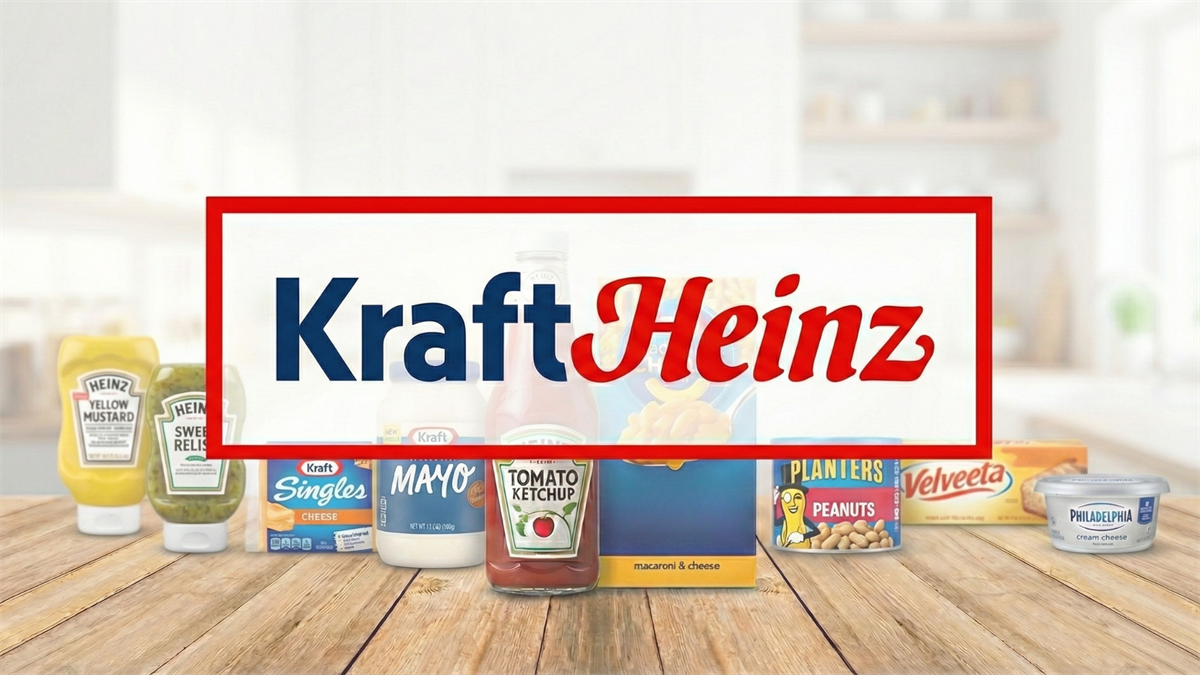
Last week, it was reported that newly instated Berkshire Hathaway (NYSE: BRK.B) CEO Greg Abel has initiated the process to sell the company’s nearly 28% stake—or approximately 325 million shares—in consumer staples giant Kraft Heinz (NASDAQ: KHC).
The move, which occurred less than one month after Abel took the reins from predecessor Warren Buffett, comes in the wake of KHC shares kicking off the year by losing more than 3%, following a 2025 performance that saw the stock slide by more than 21%.
But for income investors whose dividend portfolios have relied on the company’s strong yield for years, does Berkshire’s move—which marks the end of its 10-year position—make Kraft Heinz an automatic sell?
The Root of Kraft Heinz’s Issues
Strictly from an earnings perspective, KHC shares have delivered on paper. The last time the company missed earnings expectations was Q4 of 2018. But earnings—in and of themselves—do not equate to profitability.
While bookended by two quarters of profitability in 2025, last Q2 Kraft Heinz posted an enormous loss of more than $7.8 billion. This loss was tied to a $9.3 billion non-cash impairment charge, in addition to falling sales fueled by sticky inflation.
The company, whose roots date back to 1869 (Heinz) and 1903 (Kraft), has leaned on aggressive cost-cutting measures for years, including the controversial zero-based budgeting strategy. A decade after the Kraft-Heinz merger, the food conglomerate is still struggling to get out from under the debt it incurred in that deal.
To put that challenge into perspective, as of Q3 2025, it was carrying more than $19 billion in long-term debt, which easily surpassed its cash position of $2.1 billion.
At the same time, a weak labor market, shifting consumer confidence, and ongoing U.S. dollar devaluation have forced cash-strapped consumers to turn away from brand names and toward private-label (a.k.a. store brand) alternatives.
Can KHC Reverse Course?
In September 2025, Kraft Heinz announced that it will be splitting into two scaled, focused independent companies. That division into two entities—tentatively named Global Taste Elevation Co. and North American Grocery Co.—will be finalized in the second half of 2026.
The plan is to divide the company into scalable businesses with separate focuses. Global Taste Elevation will focus on sauces and condiments, while North American Grocery will focus on meals and snacks.
But the plan is not without its critics, chief among them Warren Buffett, who expressed disapproval, particularly in light of the company’s split not being subject to a shareholder vote.
Long term, the two companies—both of which will be publicly traded under different tickers—may see relief from the problems that have been plaguing Kraft Heinz since its mega-merger 10 years ago. But in the short term, there is little reason to believe a turnaround is imminent.
While the consumer staples firm does not report its full-year and Q4 2025 earnings until Feb. 11, it wouldn’t be unexpected to see quarterly revenue contraction for the ninth consecutive quarter. That has contributed to a negative net margin of 17.35%, indicating that Kraft Heinz is currently spending more than it earns.
Meanwhile, its dividend payout ratio of nearly -43% demonstrates that the company is not generating enough earnings to cover its dividend payments, which could lead to future cuts. Currently, Kraft Heinz’s dividend yields an attractive 6.59%, or $1.60 per share annually. But given its payout ratio, income investors should be prepared for that yield to be reduced.
What Wall Street Thinks About Kraft Heinz?
Sentiment on Kraft Heinz is tepid at best. Of the 23 analysts currently covering the stock, only one assigns it a Buy rating, with 17 assigning it a Hold, and five assigning it a Sell. Overall, KHC receives a consensus Reduce rating.
The average 12-month price target for shares of Kraft Heinz is $26.16, or just more than 11% potential upside from where the stock is changing hands today. The company scores lower than one-third of the companies evaluated by MarketBeat, and ranks 73rd out of 149 stocks in the consumer staples sector. Compounding matters, Kraft Heinz’s financial health falls into the Red Zone, according to Tradesmith, where it has been for more than 19 months.
Institutional ownership remains strong at more than 78%, but that figure is likely to drop once Berkshire Hathaway completes its sale of KHC shares. Current short interest of 4.37% suggests that Wall Street’s bears are keeping an eye on Kraft Heinz in the anticipation of more potential downside in the year ahead.
Where Should You Invest $1,000 Right Now?
Before you make your next trade, you'll want to hear this.
MarketBeat keeps track of Wall Street's top-rated and best performing research analysts and the stocks they recommend to their clients on a daily basis.
Our team has identified the five stocks that top analysts are quietly whispering to their clients to buy now before the broader market catches on... and none of the big name stocks were on the list.
They believe these five stocks are the five best companies for investors to buy now...
The article "As Berkshire Exits Its Kraft Heinz Position, Is the Stock a Sell?" first appeared on MarketBeat.
Mentioned In This Article
Latest News
| Oct-14 | |
| Oct-14 | |
| Oct-14 | |
| Oct-14 | |
| Oct-14 | |
| Oct-14 | |
| Oct-14 | |
| Oct-13 | |
| Oct-13 | |
| Oct-12 | |
| Oct-09 | |
| Oct-08 | |
| Oct-08 | |
| Oct-07 | |
| Oct-06 |
