Pepsi Pops as Investors Take Notice of Key Strategic Initiatives
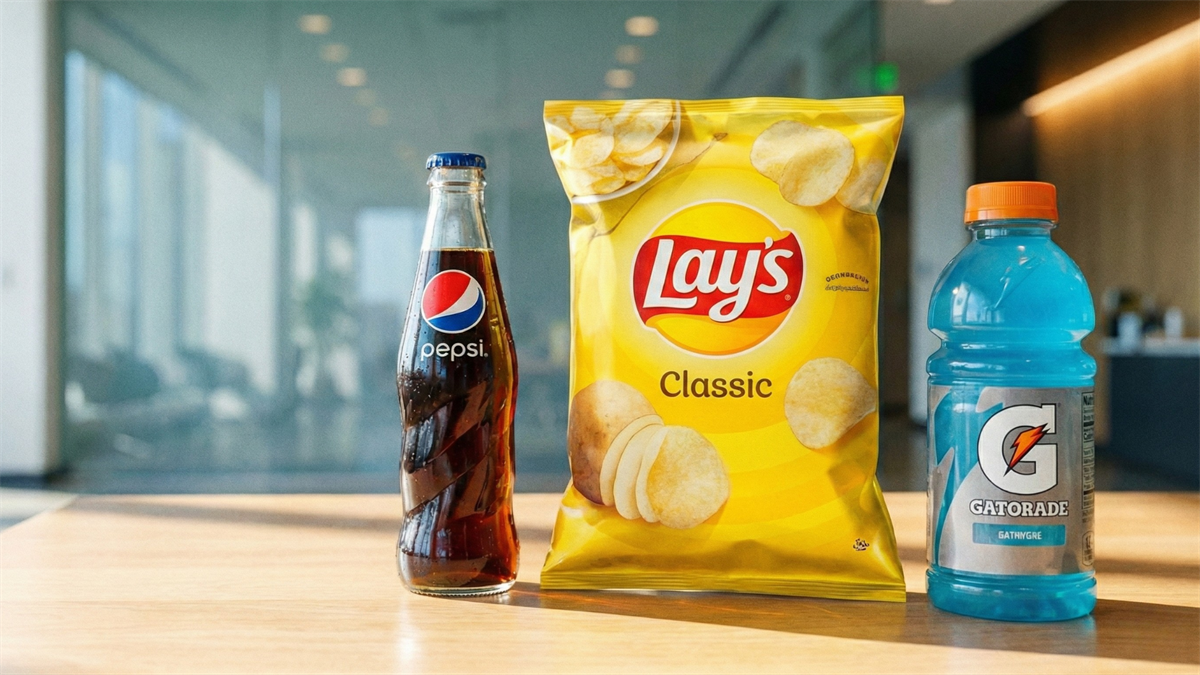
After activist investor Elliott Management announced a $4 billion investment in consumer staples giant PepsiCo (NASDAQ: PEP), the stock has gone on a solid run.
Elliott revealed its investment on Sept. 2, 2025, calling out the potential for 50% upside in Pepsi shares.
As of the close on Feb. 4, 2026, Pepsi shares have delivered a strong 13% total return.
Pepsi’s latest earnings were a significant contributor to the stock’s rise. Shares popped around 5% on Feb. 3 and continued gaining on Wednesday.
Here's what investors can expect from the soft drink and snack maker's latest results and the company's initiatives going forward.
PEP Beats on Key Measures, Reiterates 2026 Guidance
In Q4 2025, Pepsi posted revenue of $29.3 billion, an increase of 5.6% from the year prior. This moderately beat analyst expectations of $29 billion, which implied growth of around 4%.
Adjusted earnings per share (EPS) also came in slightly better than anticipated at $2.26, good for an increase of 15% year-over-year (YOY). This surpassed expectations of $2.24, which called for 14% growth YOY.
Pepsi maintained its full-year guidance for 2026, expecting organic revenue to rise between 2% and 4% and core EPS to rise between 5% and 7%.
Pepsi Puts the Kibosh on Large-Scale Refranchising
One of Elliott's main proposals was for Pepsi to refranchise its bottling operations, which entails ceding control of bottling to third parties while retaining oversight. Elliott argued that this would improve Pepsi’s margins and pointed to the success that CocaCola (NYSE: KO) has seen from its refranchising efforts. Elliott also believed that this would allow Pepsi to focus more effort on product innovation.
However, during an investor Q&A session in December 2025, Pepsi said, "a full refranchising of our North American beverage operation is not under consideration."
Instead, the company is running tests in Texas and Florida to integrate its beverage and snack distribution.
This includes integrating delivery and warehouse operations to increase efficiency compared to having separate distribution systems for these businesses.
Pepsi noted that the initial results of this strategy are “very positive” and will make the company “more cost efficient." Notably, the company’s core operating margin increased 140 basis points to 13.9%.
Pepsi Refocuses on Top Brands With Health-Conscious Consumers in Mind
Following other pieces of Elliott’s advice, Pepsi is making changes to its North American foods business. In the first half of 2026, Pepsi plans to reduce the number of unique food products it sells by nearly 20%.
In turn, the company will focus its efforts on refreshing iconic brands such as Lay’s, Tostitos, and Quaker. This includes relaunching these brands in the United States with new visuals, marketing, and ingredients that appeal to health-conscious consumers. Beverages like Gatorade and Pepsi will also see new health-focused product launches.
Additionally, Pepsi will lower prices as much as 15% on certain snacks. The company refers to this as a "price investment." Higher prices lead consumers to purchase snacks less often, and Pepsi’s effort to lower prices should increase sales, creating a net positive for the business.
These initiatives are fundamentally sound. Pepsi is cutting bait with underperforming products and doubling down on its biggest brands. This follows the success the company has already seen with health-oriented beverages, such as the Poppi prebiotic soda brand. Retail sales of Poppi rose by more than 45% in 2025, vastly outpacing the company’s overall growth of 2%.
Vantage Market Research estimates that the healthy snack market will double by 2035. A recent survey found that 61% of consumers are willing to pay more for healthier snacks. And while inflation has hurt shoppers' budgets, Pepsi’s “price investment” strategy could attract cost-conscious consumers.
Improving Outlook Combined With a Strong Dividend Yield
The consensus 12-month average price target for PEP stands near $165, very close to the stock’s Feb. 4 closing price near $166. Still, several Wall Street analysts raised their Pepsi price targets after its Q4 earnings report, with an average price target of $170, implying around 2% potential upside.
Overall, the outlook for Pepsi is optimistic, and the company’s 3.4% dividend yield provides a meaningful source of return. The company, after 54 consecutive years of increasing its payout, is a member of the storied Dividend Kings club.
After beating earnings in 18 out of the last 19 quarters, maintaining its 2026 guidance, and combining cost-cutting initiatives with product repositioning, Pepsi seems to be moving in the right direction.
Where Should You Invest $1,000 Right Now?
Before you make your next trade, you'll want to hear this.
MarketBeat keeps track of Wall Street's top-rated and best performing research analysts and the stocks they recommend to their clients on a daily basis.
Our team has identified the five stocks that top analysts are quietly whispering to their clients to buy now before the broader market catches on... and none of the big name stocks were on the list.
They believe these five stocks are the five best companies for investors to buy now...
The article "Pepsi Pops as Investors Take Notice of Key Strategic Initiatives" first appeared on MarketBeat.
Mentioned In This Article
Latest News
| 9 hours | |
| Oct-13 | |
| Oct-13 | |
| Oct-12 | |
| Oct-12 | |
| Oct-12 | |
| Oct-12 | |
| Oct-12 | |
| Oct-12 | |
| Oct-12 |
AI is Cutting Entry-level Jobs. Could the Opposite be Happening in Retail Merchandising?
PEP
International Business Times
|
| Oct-12 | |
| Oct-11 | |
| Oct-11 | |
| Oct-10 | |
| Oct-09 |
